

Metabolic syndrome (MetS) is a metabolic disorder that contributes to thrombosis and chronic inflammation, thereby increasing the risk of cardiovascular disease and type 2 diabetes. Central obesity, insulin resistance, elevated cholesterol and hypertension interact in a harmful cycle that poses serious challenges to public health. Adopting a diet rich in fruits and vegetables may help lower the risk of MetS by improving insulin sensitivity, blood fat levels, blood pressure and inflammatory markers. It also improves gut microbiota composition and blood vessel function, further enhancing their therapeutic potential.
A plant-rich diet is rich in fibre, vitamins, antioxidants and healthy carbohydrates (1). In addition to their beneficial nutrients and bioactive compounds, plant-rich diets, including patterns such as the Mediterranean diet, tend to be low in harmful components such as saturated and trans fats, excessive omega-6 linoleic acid, cholesterol, simple carbohydrates, sodium and nitrites, as well as having an overall lower fat content (2, 3). A meta-analysis of prospective studies and clinical trials by Kastorini and colleagues showed that adherence to the Mediterranean diet is associated with a reduced risk of MetS (4).
Soluble fibres have been shown to contribute to the effective management of blood sugar and insulin levels after meals, thereby enhancing insulin sensitivity (5, 6).
Studies have also demonstrated that plant-rich diets can lead to a decrease in both systolic and diastolic blood pressure (7, 8). This positive impact is likely due to the high potassium and magnesium content of such diets, which promotes blood vessel dilation and reduces resistance to blood flow. Furthermore, components such as oleic acid and polyphenols, found in foods like olive oil, have been shown to regulate blood pressure.
A diet rich in bioactive compounds such as polyphenols and vitamins A, C and E can significantly improve metabolic health by reducing oxygen-related cell damage and inflammation (9).

People who eat diets rich in plant foods tend to have lower levels of harmful compounds that build up in the blood. These compounds can damage cells and irritate blood vessels, which can make metabolic health problems worse (10).
Substituting saturated fats with unsaturated fats, particularly polyunsaturated fatty acids, has been shown to lower “bad cholesterol” (LDL-C), without adversely affecting “good cholesterol” (HDL-C) (11). Furthermore, including phytosterols in the diet, which compete with cholesterol for absorption in the gut, can reduce “bad cholesterol” levels even further (12, 13). These lipid-lowering effects are crucial for reducing the risk of atherosclerosis and subsequent cardiovascular events (14).
Plant-Rich Diets, Gut Microbiota, and Metabolic Health
The gut microbiota plays a pivotal role in metabolic health, and its composition is significantly influenced by diet. Diets high in fiber and free of saturated fats and cholesterol, have been shown to promote beneficial changes in the ecology of gut microbes and improvements in metabolic parameters, related to metabolic syndrome (MetS)(15, 16).
For instance, studies have revealed that vegans typically have higher levels of Prevotella species, which can efficiently ferment complex carbohydrates, and lower levels of Bacteroides and other pro-inflammatory bacteria associated with Western dietary patterns (17, 18).
This shift happens because eating a lot of fibre, along with polyphenols and hard-to-digest starches, helps the body produce beneficial fatty acids in the gut. These fatty acids strenghten the gut lining, help control blood sugar and fats, and reduce inflammation (19).
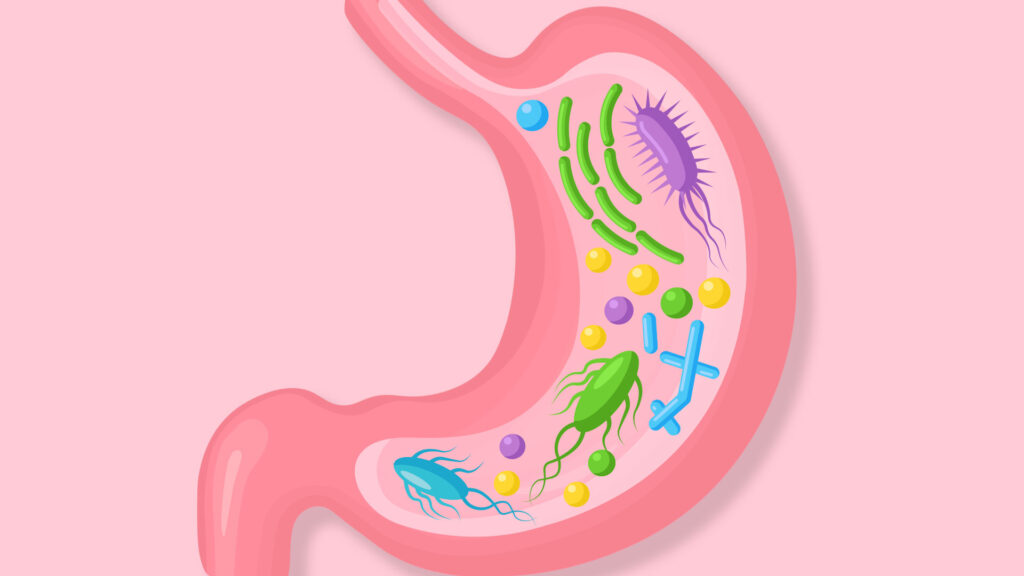
Additionally, a diet rich in plants has been shown to reduce gut bacteria that produce endotoxins, such as B. wadsworthia and E. coli. Reducing the amount of these toxins passing from the gut into the bloodstream decreases inflammation in the body (20, 21).
Bridging Evidence and Practice in Plant-Rich Nutrition
Adopting a plant-rich diet, or even gradually shifting towards a diet with more plant-based foods and less animal-derived products, may lower the risk of MetS by enhancing insulin sensitivity, improving blood fat levels, reducing blood pressure and inflammation.
These dietary changes also support healthier gut microbiota and better vascular function, further amplifying their therapeutic potential.
Looking ahead, personalised nutritional strategies that integrate genetic and microbiome profiles could optimise dietary recommendations. Meanwhile, public health initiatives could improve the accessibility and cultural relevance of plant-rich dietary patterns, as well as promote long-term adherence.

Bibliography
-
- Sabaté, J.;Wien, M. A perspective on vegetarian dietary patterns and risk of metabolic syndrome. Br. J. Nutr. 2015, 113, S136–S143.
- D’Innocenzo, S.; Biagi, C.; Lanari, M. Obesity and the Mediterranean diet: A review of evidence of the role and sustainability of the Mediterranean diet. Nutrients 2019, 11, 1306.
- Trichopoulou, A.; Martínez-González, M.A.; Tong, T.Y.; Forouhi, N.G.; Khandelwal, S.; Prabhakaran, D.; Mozaffarian, D.; de Lorgeril, M. Definitions and potential health benefits of the Mediterranean diet: Views from experts around the world. BMC Med. 2014, 12, 112.
- Kastorini, C.-M.; Milionis, H.J.; Esposito, K.; Giugliano, D.; Goudevenos, J.A.; Panagiotakos, D.B. The effect of Mediterranean diet on metabolic syndrome and its components: A meta-analysis of 50 studies and 534,906 individuals. J. Am. Coll. Cardiol. 2011, 57, 1299–1313. (27)
- Anderson, J.W.; Baird, P.; Davis, R.H., Jr.; Ferreri, S.; Knudtson, M.; Koraym, A.; Waters, V.; Williams, C.L. Health benefits of dietary fiber. Nutr. Rev. 2009, 67, 188–205.
- Howarth, N.C.; Saltzman, E.; Roberts, S.B. Dietary fiber and weight regulation. Nutr. Rev. 2001, 59, 129–139.
- Yokoyama, Y.; Nishimura, K.; Barnard, N.D.; Takegami, M.; Watanabe, M.; Sekikawa, A.; Okamura, T.; Miyamoto, Y. Vegetarian diets and blood pressure: A meta-analysis. JAMA Intern. Med. 2014, 174, 577–587.
- Schwingshackl, L.; Chaimani, A.; Schwedhelm, C.; Toledo, E.; Pünsch, M.; Hoffmann, G.; Boeing, H. Comparative effects of different dietary approaches on blood pressure in hypertensive and pre-hypertensive patients: A systematic review and network meta-analysis. Crit. Rev. Food Sci. Nutr. 2019, 59, 2674–2687.
- Pan, M.H.; Lai, C.S.; Dushenkov, S.; Ho, C.T. Modulation of inflammatory genes by natural dietary bioactive compounds. J. Agric. Food Chem. 2009, 57, 4467–4477.
- Uribarri, J.; Woodruff, S.; Goodman, S.; Cai, W.; Chen, X.; Pyzik, R.; Yong, A.; Striker, G.E.; Vlassara, H. Advanced glycation end products in foods and a practical guide to their reduction in the diet. J. Am. Diet. Assoc. 2010, 110, 911–916.e12.
- Schwingshackl, L.; Bogensberger, B.; Benˇciˇc, A.; Knüppel, S.; Boeing, H.; Hoffmann, G. Effects of oils and solid fats on blood lipids: A systematic review and network meta-analysis. J. Lipid Res. 2018, 59, 1771–1782.
- Gylling, H.; Plat, J.; Turley, S.; Ginsberg, H.N.; Ellegård, L.; Jessup, W.; Jones, P.J.; Lütjohann, D.; Maerz, W.; Masana, L.; et al. Plant sterols and plant stanols in the management of dyslipidaemia and prevention of cardiovascular disease. Atherosclerosis 2014, 232, 346–360.
- Trautwein, E.A.; Vermeer, M.A.; Hiemstra, H.; Ras, R.T. LDL-Cholesterol Lowering of Plant Sterols and Stanols—Which Factors Influence Their Efficacy? Nutrients 2018, 10, 1262.
- Vergeer, M.; Holleboom, A.G.; Kastelein, J.J.P.; Kuivenhoven, J.A. The HDL hypothesis: Does high-density lipoprotein protect from atherosclerosis? J. Lipid Res. 2010, 51, 2058–2073.
- David, L.A.; Maurice, C.F.; Carmody, R.N.; Gootenberg, D.B.; Button, J.E.; Wolfe, B.E.; Ling, A.V.; Devlin, A.S.; Varma, Y.; Fischbach, M.A.; et al. Diet rapidly and reproducibly alters the human gut microbiome. Nature 2014, 505, 559–563.
- De Filippo, C.; Cavalieri, D.; Di Paola, M.; Ramazzotti, M.; Poullet, J.B.; Massart, S.; Collini, S.; Pieraccini, G.; Lionetti, P. Impact of diet in shaping gut microbiota revealed by a comparative study in children from Europe and rural Africa. Proc. Natl. Acad. Sci. USA 2010, 107, 14691–14696.
- Sonnenburg, E.D.; Smits, S.A.; Tikhonov, M.; Higginbottom, S.K.;Wingreen, N.S.; Sonnenburg, J.L. Diet-induced extinctions in the gut microbiota compound over generations. Nature 2016, 529, 212–215.
- Wu, G.D.; Chen, J.; Hoffmann, C.; Bittinger, K.; Chen, Y.Y.; Keilbaugh, S.A.; Bewtra, M.; Knights, D.;Walters,W.A.; Knight, R.; et al. Linking long-term dietary patterns with gut microbial enterotypes. Science 2011, 334, 105–108.
- Koh, A.; De Vadder, F.; Kovatcheva-Datchary, P.; Bäckhed, F. From Dietary Fiber to Host Physiology: Short-Chain Fatty Acids as Key Bacterial Metabolites. Cell 2016, 165, 1332–1345.
- Devkota, S.; Wang, Y.; Musch, M.W.; Leone, V.; Fehlner-Peach, H.; Nadimpalli, A.; Antonopoulos, D.A.; Jabri, B.; Chang, E.B. Dietary-fat-induced taurocholic acid promotes pathobiont expansion and colitis in Il10−/− mice. Nature 2012, 487, 104–108.
- Cani, P.D.; Amar, J.; Iglesias, M.A.; Poggi, M.; Knauf, C.; Bastelica, D.; Neyrinck, A.M.; Fava, F.; Tuohy, K.M.; Chabo, C.; et al. Metabolic endotoxemia initiates obesity and insulin resistance. Diabetes 2007, 56, 1761–1772.
- Laura Avogaro from FRESCI
- No Comments