

Wearable medical technology is transforming healthcare beyond clinical outcomes. Its success increasingly depends on the patient experience—comfort, usability, and satisfaction all shape how patients engage with and trust these devices.
As adoption accelerates, its impact is significant. The U.S. wearable medical device market is expected to grow from $11 billion to $112 billion over the next decade (1), driven by healthcare providers seeking real-time monitoring, higher-quality care, improved patient experiences, and lower costs through a stronger focus on prevention (2, 3).
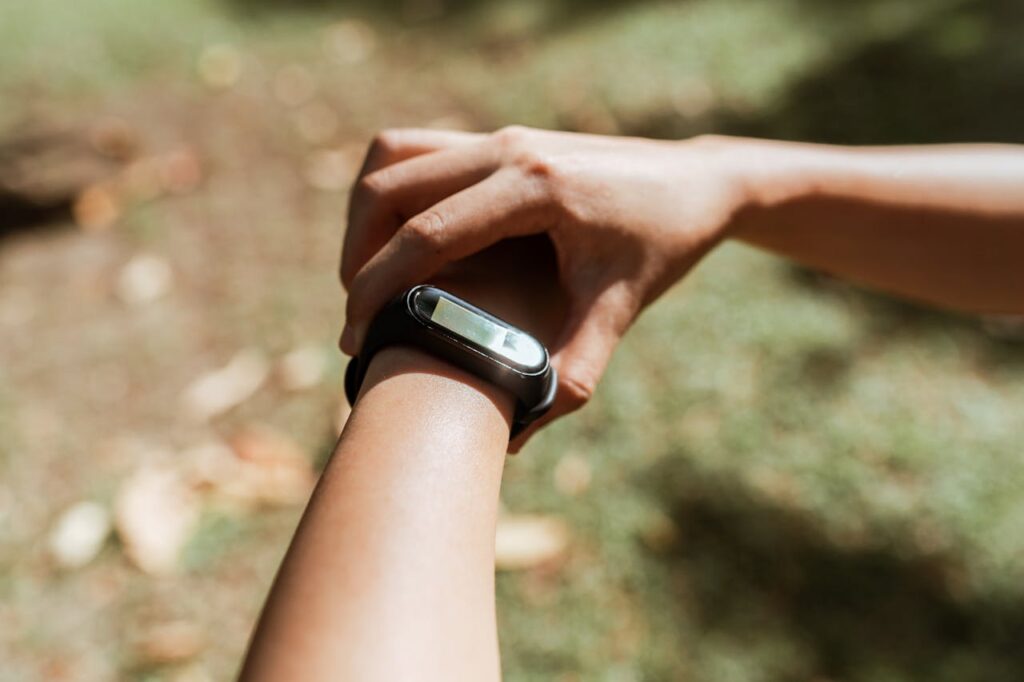
The use of wearable technology in patient care continues to increase for a variety of clinical purposes. This technology includes various devices and tools. The most prevalent of these are patches and sensors that are attached externally to patients for biometric and other forms of monitoring, as well as wristbands, bracelets, clips and watches that collect and upload information to web-based applications.
Wearable devices now represent more than 50% of the home healthcare market, while remote patient monitoring accounts for an additional 18% (1), underscoring their central role in care delivery beyond traditional clinical settings. However, widespread adoption remains the key to realizing the full value of wearable technology.
Patient engagement ultimately determines whether these devices deliver meaningful clinical outcomes and achieve their long-term market potential.
Patient Experiences with Wearable Health Devices: Satisfaction, Usability, and Comfort
A review of 46 studies performed by Hoff and colleagues (4) examined empirical findings on patients’ experiences with wearable technology across a wide range of medical conditions, including Parkinson’s disease, Huntington’s disease, orthopedic rehabilitation, epilepsy, cardiac and stroke rehabilitation, heart conditions, diabetes, and fall prevention.
Wearables were studied in diverse settings: some used exclusively at home, some in hospitals, others across both, and some in other remote care contexts. Geographically, 18 studies were conducted in Europe, 10 in the United States, and the remainder in South Korea, India, Taiwan, Canada, and Cambodia.
- Satisfaction was reported in 26 studies, with 20 indicating moderate to high levels.
Examples include: a Fitbit and software application for perioperative activity monitoring in urological surgery (5); a miniature eye-mounted camera to assist visual impairment (6); ingestible and patch sensors connected to a smartphone app to monitor hypertension medication adherence (7); and a chest-worn ECG paired with a wristband to detect atrial fibrillation (8). No consistent patterns were observed by care setting, device type, or condition. High satisfaction was reported for both serious conditions (e.g., lung transplant monitoring during COVID vaccination, blindness, stroke rehabilitation, and atrial fibrillation) and routine conditions (e.g., diabetes and hypertension).
- Usability was evaluated in 24 studies, most reporting moderate to high perceived usability.
Examples include: wearable leg sensors for orthopedic rehabilitation (9); smart wristbands for use during pregnancy (10); finger-worn sensors that upload physiological data to a web app (11); and body-worn sensors for monitoring Parkinson’s disease symptoms (12). High usability was particularly common for home-based wearables and across both serious and routine conditions.
- Comfort was assessed in 15 studies, with 11 reporting moderate to high levels.
Examples include: belt devices with 3D cameras for peripheral vision loss (13); smart wristbands for pregnant women (10); Google smart glasses to support social skills development in autistic children (14); and waist belts and electronic bracelets serving as virtual cane systems for people with visual impairments (15).
Interestingly, only one study reported moderate or higher levels across all three dimensions—satisfaction, usability, and comfort (15). Other studies revealed overlaps primarily between usability and satisfaction or usability and comfort, mostly in serious conditions and involving varied wearable technologies.
Key Questions for Future Research
While current evidence highlights the potential of wearable technology, further research is needed to understand patient experience within a multivariate context and identify the factors that most strongly influence positive or negative outcomes. Future studies should aim to:
– Include larger sample sizes that allow for the analysis of multiple contextual variables, helping to isolate the independent effects of factors such as satisfaction and usability;
– Examine different types of wearables and medical conditions within the same study to enable meaningful comparisons of patient experiences across contexts;
– Integrate clinical quality and effectiveness measures alongside patient experience metrics to provide a more comprehensive view of the value of wearables in patient care.
By addressing these gaps, research can offer actionable insights that guide device design, clinical implementation, and patient-centered communication strategies.
Strategic Insights and Recommendations for Stakeholders
To fully understand the value of wearable technology in patient care, it is essential to compare reported levels of clinical quality and effectiveness alongside patient satisfaction and usability. Longitudinal studies are particularly needed to assess the wearable experience over time, as evidence suggests that patient engagement and satisfaction often decrease the longer a device is used (16). Patient perceptions of usability and comfort may evolve, highlighting the importance of tracking interactions with wearables throughout the entire period of use.
Qualitative investigations can further clarify which aspects of the patient experience matter most—for instance, whether comfort is as critical as usability, whether patients can be satisfied despite discomfort, and how “usability” varies across different medical conditions and device types. Satisfaction itself may also depend on other factors, including comfort and usability.

Implementing surveys that address these questions will provide detailed insights into patients’ day-to-day experiences with wearable technology, guiding developers, clinicians, and healthcare stakeholders in designing devices that are not only clinically effective but also meaningfully adopted by patients.
Bibliography
- Nova Advisor. U.S. Wearable Medical Devices Market. 2023. https://www.novaoneadvisor.com/report/us-wearablemedical-devices-market (accessed 22 July 2024).
- Goswami J. Technology Brings Care to Home for Chronically Ill Patients. 2020. https://www.healthcareitnews.com/blog/technology-brings-care-home-chronically-ill-patients (accessed 22 July 2024).
- Vaidya A. How Connected Health Tech Bolsters Chronic Care, Behavioral Health. 2023. https://mhealthintelligence.com/features/how-connected-health-tech-bolsters-chroniccare-behavioral-health (accessed 22 July 2024).
- Hoff T, Kitsakos A, Silva J. A scoping review of the patient experience with wearable technology. Digit Health. 2024;10:20552076241308439.
- Agarwal DK, Viers BR, Rivera ME, et al. Physical activity monitors can be successfully implemented to assess perioperative activity in urologic surgery. Mhealth 2018; 4: 43.
- Amore F, Silvestri V, Guidobaldi M, et al. Efficacy and patients’ satisfaction with the ORCAM MyEye device among visually impaired people: a multicenter study. J Med Syst 2023; 47: 11.
- Noble K, Brown K, Medina M, et al. Medication adherence and activity patterns underlying uncontrolled hypertension: assessment and recommendations by practicing pharmacists using digital health care. J Am Pharm Assoc 2016; 56: 310– 315.
- Valiaho ES, Lipponen JA, Kuoppa P, et al. Continuous 24-h photoplethysmogram monitoring enables detection of atrial fibrillation. Front Physiol 2021; 12: 778775.
- Argent R, Slevin P, Bevilacqua A, et al. Wearable sensor-based exercise biofeedback for orthopaedic rehabilitation: a mixed methods user evaluation of a prototype system. Sensors (Basel) 2019; 19: 432.
- Grym K, Niela-Vilen H, Ekholm E, et al. Feasibility of smart wristbands for continuous monitoring during pregnancy and one month after birth. BMC Pregnancy Childbirth 2019; 19: 34.
- Ingvaldsen SH, Tronvik E, Brenner E, et al. A biofeedback app for migraine: development and usability study. JMIR Format Res 2021; 5: e23229.
- Virbel-Fleischman C, Retory Y, Hardy S, et al. Body-worn sensors for Parkinson’s disease: a qualitative approach with patients and healthcare professionals. PLoS One 2022; 17: e0265438.
- Brown FE, Sutton J, Yuen HM, et al. A novel, wearable, electronic visual aid to assist those with reduced peripheral vision. PLoS One 2019; 14: e0223755.
- Kinsella BG, Chow S and Kushki A. Evaluating the usability of a wearable social skills training technology for children with autism spectrum disorder. Front Robot AI 2017; 4.
- Bhatlawande S, Sunkari A, Mahadevappa M, et al. Electronic bracelet and vision-enabled waist-belt for mobility of visually impaired people. Assist Technol 2014; 26: 186–195.
- Oben P. Understanding the patient experience: a conceptual framework. J Patient Exp 2020; 7: 906–910.
- Laura Avogaro from FRESCI
- No Comments