
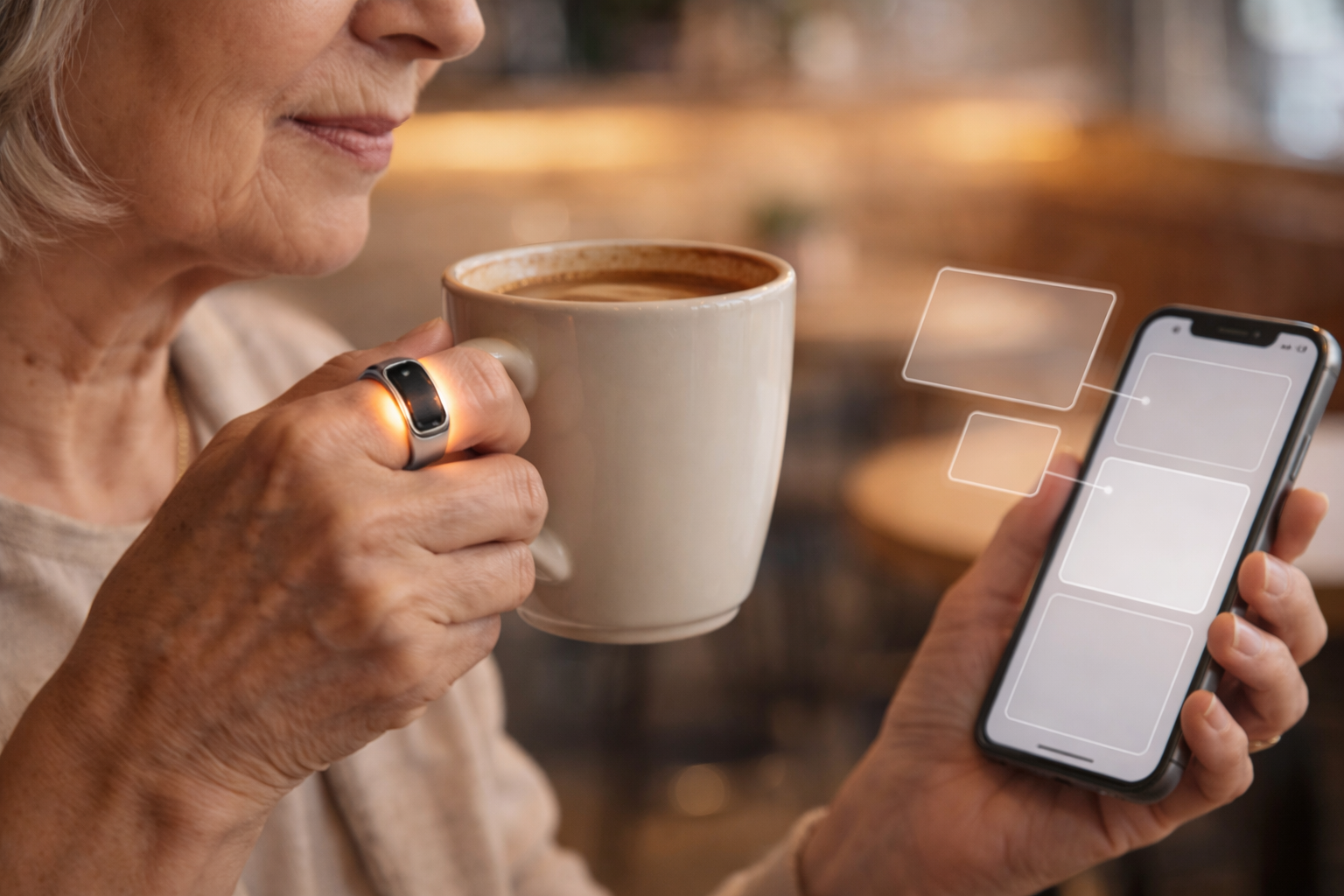
Remote monitoring is transforming the landscape of modern medicine at a rapid pace. As populations age globally, healthcare systems are increasingly shifting towards home-based digital care to manage chronic illnesses. However, the success of this transition relies on answering a critical question: do older patients actually want to use wearable technology? A recent study addresses this issue by examining older patients’ expectations regarding the prospective use of the Ōura smart ring for remote home health monitoring.
Zadegan and colleagues, in collaboration with the University of Eastern Finland and Kuopio University Hospital, interviewed ten older patients, aged 64 to 80, undergoing diagnostic procedures for idiopathic normal pressure hydrocephalus, a chronic neurological condition. What makes this research uniquely valuable is the timing of the interviews.
Unlike many studies that evaluate technology after its implementation, the researchers interviewed the patients before any remote monitoring technology was introduced into their care. By gathering these early perspectives, the study sheds light on how digital health tools can be seamlessly integrated into the daily routines of seniors.
Wearing Health on a Finger: Comfort, Habits, and Concerns
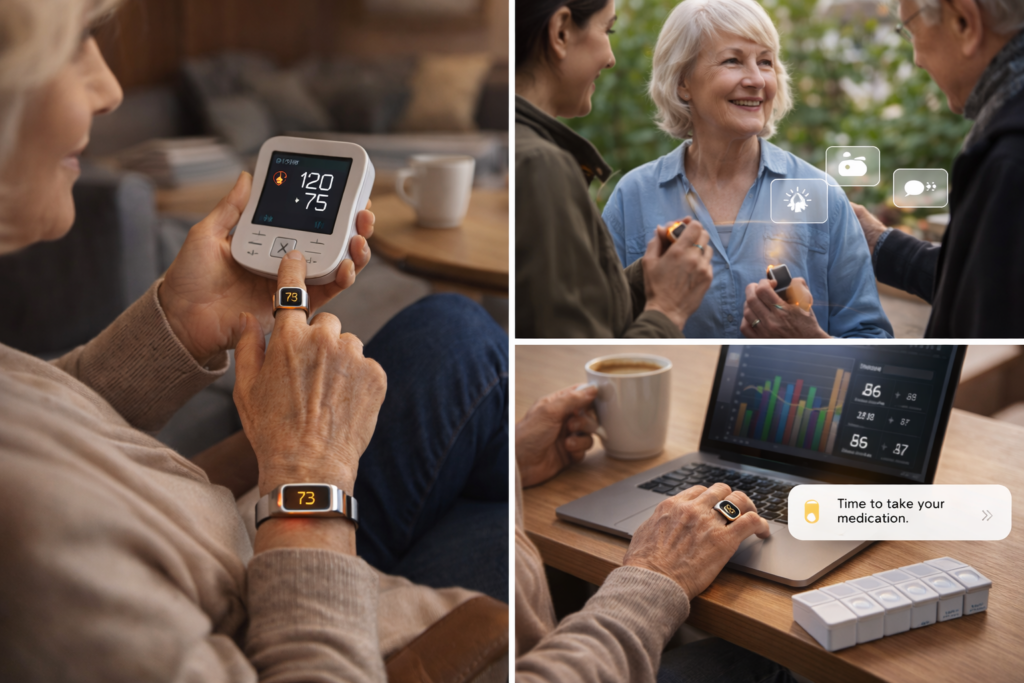
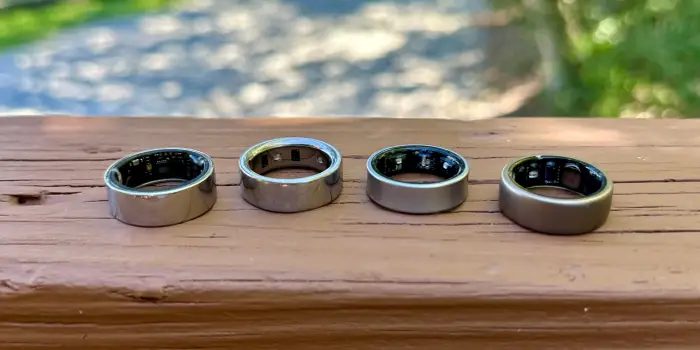
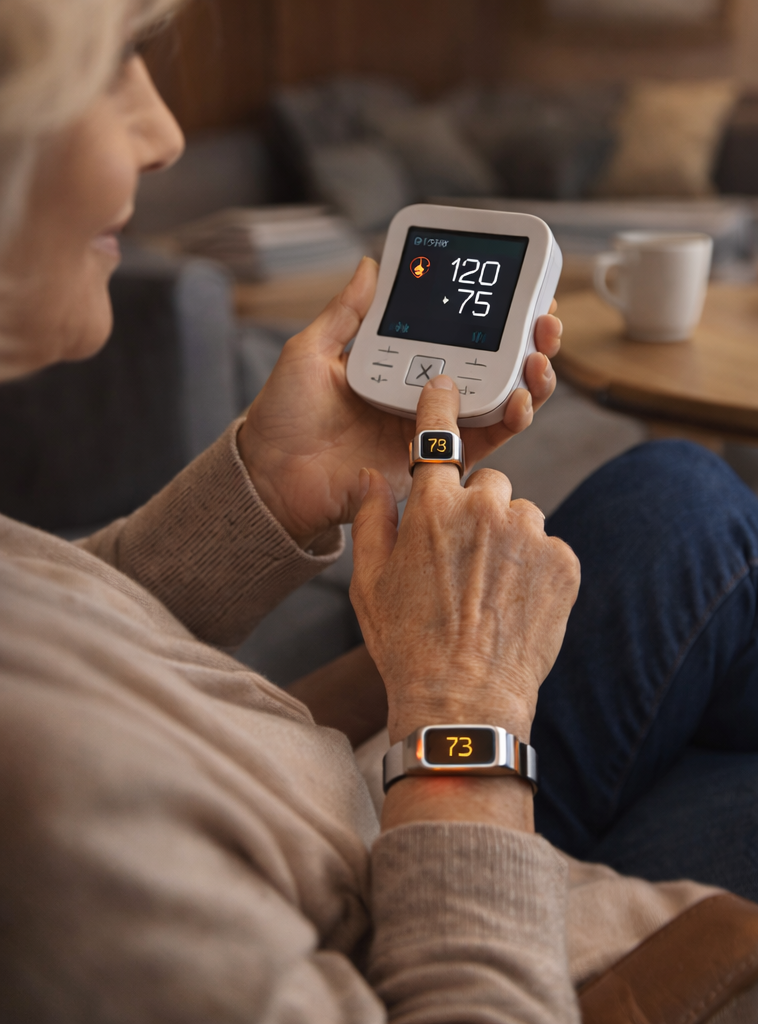
When designing wearable health technology for older adults, physical comfort and familiarity are of the greatest importance. The study revealed that patients highly valued the lightweight, discreet design of the Ōura ring. Unlike bulky wrist-worn fitness trackers or medical monitors, which can irritate or cause sweating during sleep and exercise, the ring was perceived as much more tolerable daily. As many older adults are accustomed to wearing jewellery such as wedding rings, adapting to a smart ring was considered a very minor hurdle. Patients confidently noted that any initial discomfort from wearing an extra ring would likely disappear within twenty-four hours.
Despite this enthusiasm, the patients encountered some practical concerns about everyday wearability. Some were concerned about the device’s durability during leisure activities, physical labour or exposure to harsh environmental conditions. Given that they live in Finland, patients naturally raised questions about whether the smart ring could withstand the intense heat and moisture of a traditional sauna or the freezing winter temperatures.
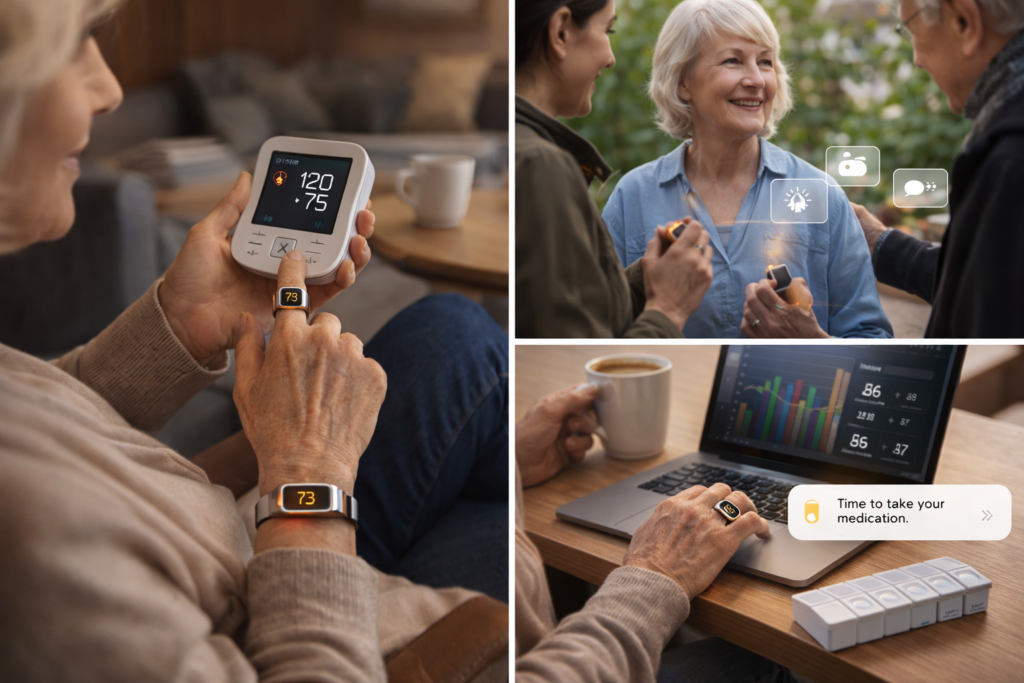
Furthermore, patients recognised that their long-standing personal habits could interfere with consistent data collection. For example, some individuals habitually remove all rings when washing up or doing manual tasks. Their concern was simple but crucial for remote monitoring: if they took the ring off for a task, would they remember to put it back on?
The Need for Simplicity and Transparency
Older patients emphasised that any remote monitoring device must have a highly user-friendly design. The Ōura ring appealed to the participants because of its ‘wear it and forget it’ simplicity. They appreciated that the device did not require complicated manual interaction — there was no need to wind it like an antique watch or remember to press a specific button every morning and evening to record their vitals. Having a single, unified device for comprehensive health monitoring, rather than juggling multiple cumbersome gadgets, was seen as a major advantage.
However, this perceived simplicity also sparked curiosity about the ring’s technical capabilities. Patients questioned how a device that looks like normal jewellery could gather accurate, reliable medical data. Participants expressed a strong desire for clarity on what metrics the device tracks, how data is extracted (e.g. via a Bluetooth connection to a computer) and whether they can easily interpret the results. Beyond simple data collection, they also saw the potential for the ring to act as a proactive safety mechanism. Several patients hoped that the device might feature a real-time alert function that could sound an alarm if it detected critical changes in their activity levels. Alongside these hopes, robust data security remained a top priority: patients wanted absolute assurance that their private health information would be securely stored and kept out of the hands of unauthorised parties.
The Power of Self-Tracking and Proactive Motivation
A common societal stereotype is that older generations are intimidated by or disinterested in modern digital technology. However, this study challenges that notion, revealing that older patients are eager to actively manage their own healthcare. Participants exhibited a strong desire to engage in self-tracking to stay informed about their health metrics.
Sleep monitoring emerged as a central area of intense interest. Many older adults struggle with sleep quality or sleep apnoea, and they expressed a deep curiosity about whether their subjective feelings of restfulness aligned with objective, measurable reality. One patient pondered the desire for concrete data to prove whether they were truly sleeping soundly through the night or if their rest was constantly interrupted.
Additionally, tracking daily physical activity, step counts and vital signs such as heart rate was considered highly motivational. Patients felt that by viewing tangible data on their daily movements, they could identify areas for lifestyle improvement and motivate themselves to be more active. Furthermore, they viewed the smart ring as an invaluable early warning system. They hoped that by monitoring subtle changes in their metrics, the device could detect alarming health trends before they manifested as severe physical symptoms, allowing for earlier and more effective medical intervention.
The Comfort of “Being Watched” by Professionals
The study’s most profound finding was perhaps how older patients interpreted the concept of remote monitoring by healthcare professionals. In an era where continuous digital oversight often sparks privacy concerns, these patients largely viewed professional monitoring as reassuring. Rather than seeing it as an invasion of privacy, they equated the idea of a doctor or nurse keeping a watchful eye on their digital health data with a deep sense of being cared for. This is particularly relevant in the context of a systemic decline in face-to-face healthcare appointments overall, a trend that disproportionately affects the ageing population. Furthermore, patients were eager to share their health data with spouses or adult children, believing that objective metrics could ease family members’ anxiety about chronic conditions.
However, their acceptance of monitoring had distinct boundaries. While many welcomed the medical oversight, a few patients found the prospect of continuous, round-the-clock monitoring to be emotionally burdensome. They pointed out that constant surveillance might feel uncomfortable or unpleasant. Patients also raised critical logistical questions about how this digital healthcare model would operate in practice. They wanted to know exactly who in the healthcare system would have access to their data, how frequently their physician would review the metrics and whether the data would be monitored in real time or just checked at specific intervals. They were also curious to know if this continuous remote monitoring could lead to more efficient care, potentially reducing the physical burden of frequent in-person hospital clinic visits.
Co-Designing Digital Health with Seniors
The study has shown that older patients with chronic conditions are very willing to use smart wearables such as the Ōura Ring for home-based care. Importantly, they do not view these devices merely as clinical instruments for managing a specific disease, but as holistic tools that support their everyday well-being, independence and lifestyle goals. These findings highlight an important lesson for technology developers and healthcare providers alike:
to ensure the success of digital health initiatives, older patients must be involved in the initial design and pre-implementation phases. Addressing their practical concerns about usability, physical comfort and data privacy from the outset will enable the healthcare industry to deploy remote monitoring solutions that empower seniors to live safely and independently.
References
Azim Zadegan M, Aromaa E, Montonen T, Sahlström R, Eriksson P, Leinonen V. Smart Rings in Remote Monitoring at Home: Older Patients’ Perceptions and Expectations. Health Expect. 2025;28(5):e70407.
- Laura Avogaro from FRESCI
- No Comments