

The collection of patient-generated health data from wearable devices and digital technologies is essential in facilitating a more integrated relationship between patients’ daily lives and the healthcare system. The U.S. Food and Drug Administration’s Center for Devices and Radiological Health (CDRH) recognises the potential of such data to inform clinical, regulatory, and reimbursement decisions.
Realising this potential requires robust collaboration between stakeholders, ensuring high data quality through responsible stewardship and empowering patients via customised, patient-driven registries.
The digital age has transformed how we monitor health, with technology now playing a key role in this process. Thanks to the widespread use of personal electronics, wearable sensors and wireless connectivity, it has never been easier to gather health data directly from individuals. This type of data, known as Patient-Generated Health Data (PGHD), serves as a crucial bridge connecting a patient’s home life with the traditional healthcare system. PGHD is defined as data “created, recorded, or gathered by or from patients” and includes everything from pedometer steps and continuous glucose readings to social media inputs and electronic patient-reported outcomes. This longitudinal view of a patient’s health status is transforming clinical care, regulatory decisions and the life cycles of medical products.

The Power of Collaboration and Patient Trust
To truly harness PGHD, robust collaboration is essential. Creating a successful platform requires engaging diverse stakeholders, including healthcare professionals, informaticians, epidemiologists, and software developers. Together, they ensure the data collected is standardized, interoperable, and minimally burdensome for users.

However, the most vital stakeholders are the patients themselves. Building and fostering patient trust is paramount to collecting reliable and comprehensive data. This means transparently communicating who is collecting the data, how it will be stored, and its intended use. Sustained relationships—where patients are fairly compensated, data sharing is mutually beneficial, and research findings are communicated back to the community—are far more effective than transactional interactions.
Ensuring Data Quality and Responsible Stewardship
High-quality PGHD is the foundation of sound medical and regulatory decisions. Stakeholders must adopt a “quality-by-design” mindset to ensure the data collected can withstand audits and serve its intended purpose. This involves using common data elements and harmonized definitions, such as the Unique Device Identifier (UDI) for medical devices, which improves interoperability and facilitates device tracking.
Moreover, responsible data stewardship and governance are crucial. Establishing secure login processes, actively monitoring for “bots” or fake profiles, and employing rigorous data cleaning checks preserve data integrity. Involving ethics and privacy experts helps manage Personally Identifiable Information (PII) ethically, while giving patients the ability to easily opt-in or opt-out further reinforces their trust in the system.
Optimizing Data Collection
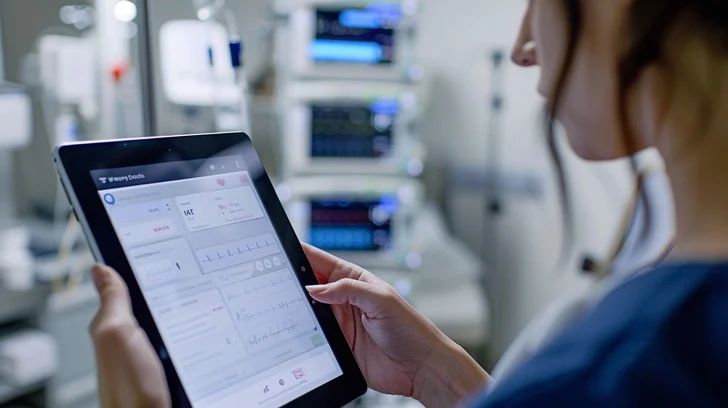
Integrating data collection into a patient’s daily routine must be seamless. User accessibility testing before deploying a platform ensures that providing consent, logging in, and entering data are easy tasks. When designing data collection methods, researchers must balance the depth of the data requested with the patient’s comfort level and the realistic amount of detail they can provide. Well-designed, patient-centered platforms minimize missing data and ensure the information gathered is meaningful to researchers, providers, and patients alike.
PGHD in Practice: The Rise of Patient-Driven Registries
A prominent application of PGHD is the development of patient-driven registries. Unlike traditional clinical registries, these platforms are controlled by patients or advocacy groups, ensuring the data collected directly reflects what is most meaningful to the affected community. These registries often combine PGHD with electronic health records, insurance claims, and genetic data to form a holistic view of a condition. Notable examples include:
– Fox Insight: managed by The Michael J. Fox Foundation for Parkinson’s disease, this online registry overcomes mobility and geographic barriers for its patient population.
– ArthritisPower: a platform for rheumatic conditions that seamlessly collects both active survey responses and passive wearable data.
– IAMRARE Registry: created by the National Organization for Rare Disorders, this registry gives patients total control over access to their customizable data.
– My Retina Tracker: tailored with accessibility features so patients with low vision can easily navigate the platform and connect with research opportunities.

Looking Ahead: Opportunities and Challenges
As the volume of available health data exponentially increases, the future of PGHD holds immense promise, though it is not without challenges. Developing novel analysis and visualization techniques will be necessary to organize and interpret this vast amount of information effectively.
Crucially, the healthcare community must address existing disparities. As digital health technologies expand, significant gaps in access remain, and it is vital to avoid exacerbating inequities among underrepresented and underserved populations. Through public-private partnerships and collaborative efforts among regulators, manufacturers, researchers, and patients, the healthcare ecosystem can continue advancing the equitable, responsible, and effective use of PGHD to ultimately improve patient care globally.
References
Webber, C. M., Riberdy Hammer, A., Saha, A., Marinac-Dabic, D., Caños, D. A., & Tarver, M. E. (2023). Integrating Patient-Generated Health Data Throughout the Total Product Life Cycle of Medical Devices. Therapeutic innovation & regulatory science, 57(5), 952–956.
- Laura Avogaro from FRESCI
- No Comments